1. What is Email-Marketing?
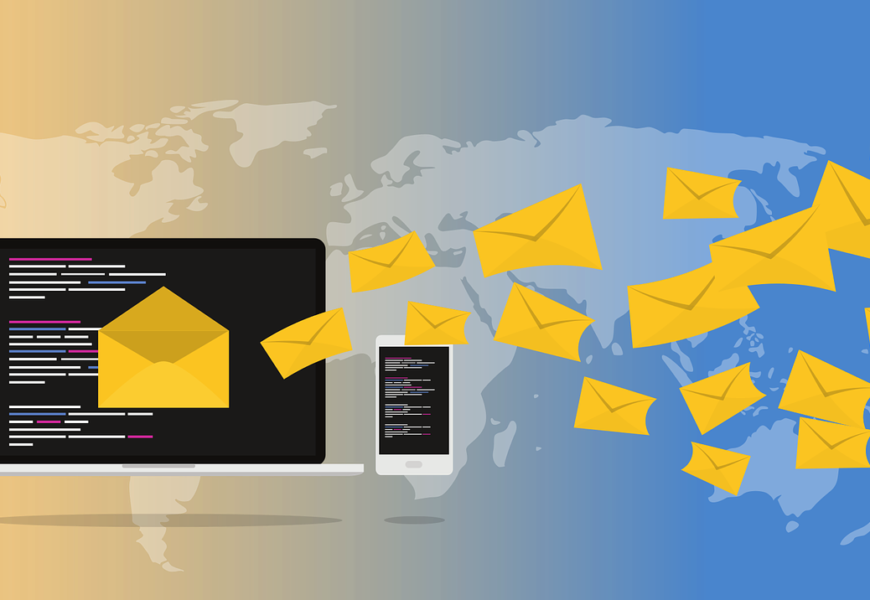
Ans: Email marketing is a platform that helps business owners attract the attention of their customers by sending emails about their products. Spreading brand awareness is the main objective of his marketing by email.
2. What are the best metrics for Email-Marketing?
Ans: B2B conversion rates, website traffic, and sales are key metrics for measuring your marketing goals.
3. What is the best time to send emails?
Ans: Mornings and weekends are the best times to send emails. However, the timing may vary depending on the location and the customer’s desired time. It’s the best time to find out what time zone your clients are in and activate your server to send mail and speed up access.
4. How frequently should you send emails to customers?
Ans: Annoying your customers with frequent or daily emails is not a good idea as it can annoy them and reduce their interest in your brand. You can send up to 3 emails per month to increase customer engagement for your business.
5. Which is the best strategy for email subject lines in email marketing?
Ans: Email subject lines are important for any business, as they are the determining factor in whether customers find your emails exciting. Including 50-70 characters of specific, concise, and robust text can increase customer interest in investing in your business. Avoid grammatical errors and make sure your email list is up-to-date to prevent emails from ending up in the client’s spam folder.
6. List the laws for Email Marketing?
Ans: The best strategy to attract potential customers is to only email people you have interacted with in the past. To keep your reputation strong, email contacts who pop up from strangers and lead generation. Please do not send. There are laws in email marketing that say that sending emails to anonymous people is illegal and discouraged.
7. How to create an impressive email?
Ans: Sending irrelevant emails can be distracting to your customers, even if the email appears in the top list. Understand the aspects of client interest, compose appropriate subject correspondence, and engage the organization accordingly in a prompt and professional manner. Make your content more readable and understandable to catch the customer’s eye when they open the email in your system.
8. What is Effective Content Marketing?
Ans: Good content aligns well with your customer’s thought process and matches their expectations. Try to understand your client’s likes and dislikes, and craft emails with meaningful content, such as how you can help them achieve their goals or solve current problems in their industry.
9. Explain the Spam Act?
Ans: The law lays out general rules related to email marketing to help customers assess good faith. If you send us promotional emails, please check the unsubscribe option for the convenience of our customers and send it immediately upon request. For commercial emails, please include your physical address. For those who are restricted, we recommend that you leave your email alone.
10. How to improve Email subscriber lists?
Ans: Customers unsubscribe from unhelpful emails in today’s competitive digital marketing trends. So when sending emails, keep them short and informative to keep your customers on your subscriber list. If customers are unsubscribing, all your marketing efforts go to waste and your brand reach is impacted by poor email content.
11. What are the strategies involved in email marketing?
Ans: Email newsletters are a key strategy for getting your emails circulated to your list of subscribers and allowing you to build relationships with them.
Traditional emails include order confirmations and receipts to the customer, informing the customer about other products in the same email.
12. What are the pros of email marketing?
Ans: Email marketing cost-effectively targets large audiences. The ROI is great if you follow the right email marketing approach.
13. What are the cons of email marketing?
Ans: Products sent by e-mail are not visible, so customers may not feel the impact prior to purchase. Also, there may be slight differences between the products shown and the actual products delivered. Products are prone to damage due to logistics problems, and buyers are required to provide personal information to provide a home, which is a privacy issue.
14. What is the scope of Automation in Email Marketing?
Ans: Scheduling is an automation feature that sends emails to a list at a pre-determined date and time. Tracking is another great automation feature that reveals email statistics such as how many emails have been read, how many communications have been spammed, everyone unsubscribed from mailing lists, bounced emails leftover, etc.
15. What is the open rate?
Ans-Open rate refers to the percentage of emails opened by clients based on the number of emails in the folder and connection issues.
16. What is the click-through rate?
Ans: When a recipient opens an email and clicks a link, it’s a click. Click-through rate is determined based on the number of clicks recipients make on your email.
17. What is an Email Header?
Ans: The body of the email is called the email header, which contains the subject of the email, the name of the sender, and the date, and acts as the main header of the email. Optional headlines include subject lines and CCs that add value to your email, depending on your target customer.
18. How to measure the deliverability rate of emails?
Ans-Your email delivery rate is the number of emails successfully delivered to your target customers.
19. Explain the difference between a hard bounce and a soft bounce?
Ans: A hard bounce is forwarding an email to an email that has expired or has an invalid email address. A soft bounce occurs when the email is triggered\
To recipients whose mailboxes are full of mail. In this case, the recipient can read the mail only after deleting some emails.
20. How should your from line be in the email?
Ans: Open blank emails offline to get your customers’ attention. The most recommended way to keep your email out of the recipient’s spam folder is to include your brand name or identity.