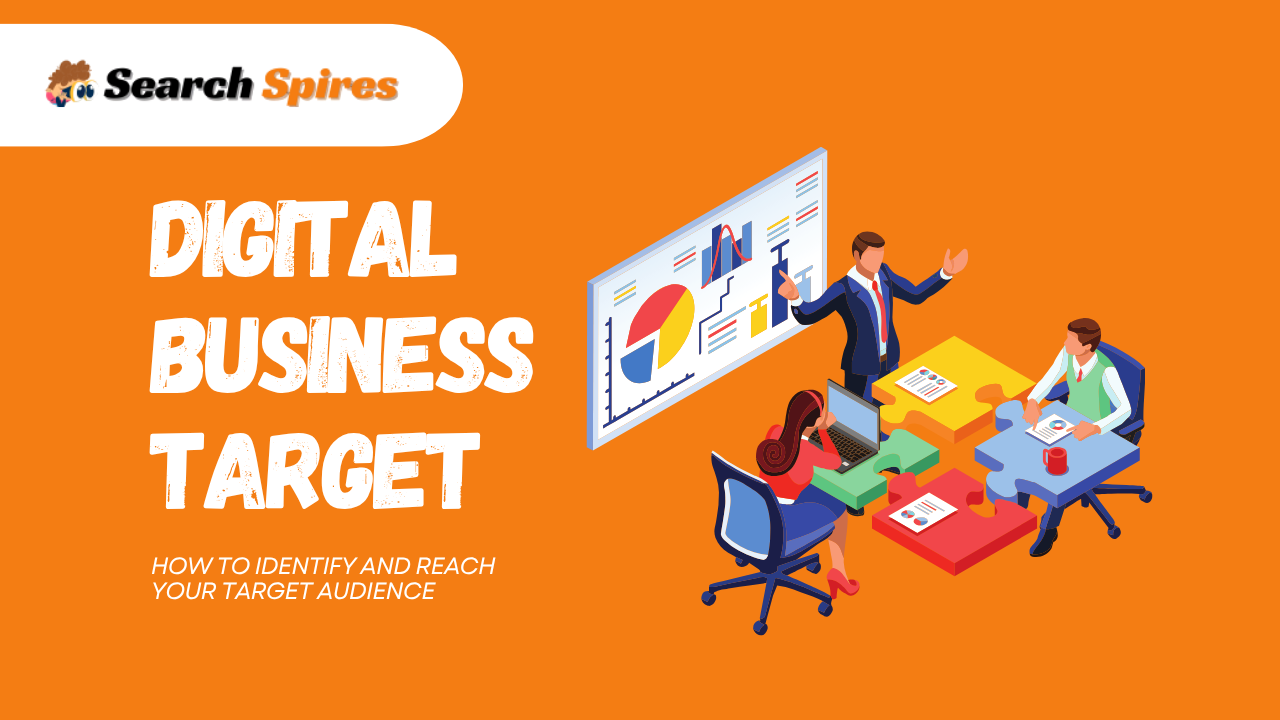
Understanding your target audience is one of the most important steps in building a successful digital business. Instead of trying to market your products or services to everyone, businesses achieve better results by focusing on the people who are most likely to be interested in what they offer. In this guide, you’ll learn what a digital target audience is, why audience segmentation matters, and the six essential steps to define your ideal audience.
What is a Digital Target Audience?
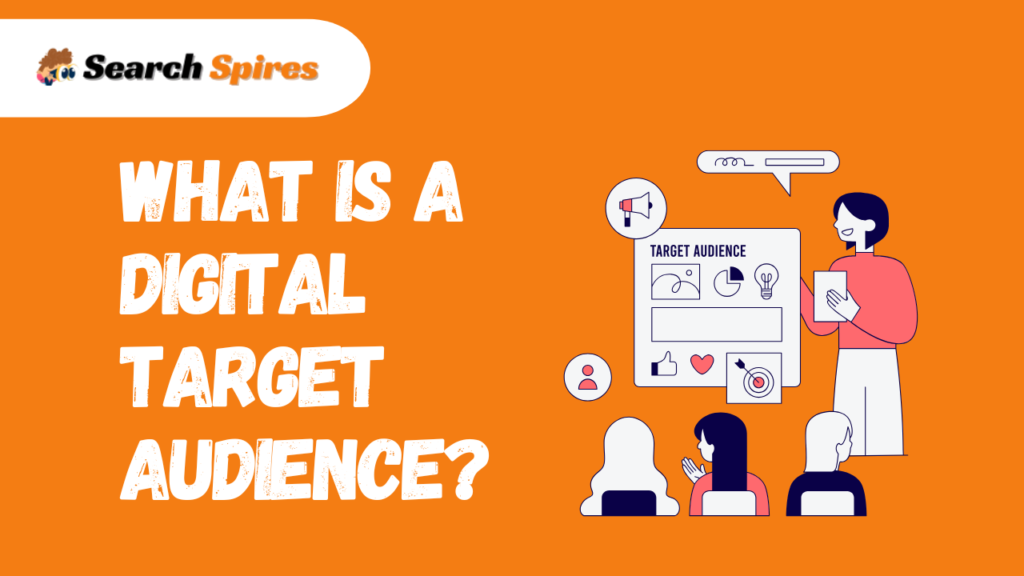
What is a Digital target audience? And why does your specific target audience matter? That’s what we’re going to cover today.
When you’re in business, you serve a specific segment of the population. Too often, when an entrepreneur gets asked who the target audience is, they answer, “Everyone.” That’s almost never the case.
Instead, you have to narrow down “everyone” to a smaller group of people who both want and have the means to get your product or service.
What Is Target Audience Segmentation?
Imagine for a moment that you’re designing a Facebook Ad campaign. You don’t want everyone to see your Facebook Ads because you’ll just want money. Instead, you want to serve up your ads to your target audience.
Facebook allows you to narrow down your audience based on demographics and other qualities. You might set an income range, target males or females, eliminate anyone who doesn’t have children, and so on, depending on your marketing agenda.
However, you also know that your product or service might appeal to different segments of your target audience.
Let’s say you sell sporting goods. Part of your audience might consist of teenage boys and girls who play sports. Another could incorporate professional athletes. Yet another segment might encompass middle-aged men and women who want to get back in shape.
Target audience segmentation allows you to create buyer personas. Each of these groups represent a different part of your target audience, so you serve them different ad creative and marketing assets.
What Is the Difference Between Target Market and Target Audience?
Many people mix up target market and target audience or use them interchangeably. They’re actually different marketing terms.
A target market is anyone who might be interested in your products or services. Your target audience is the group of people—one of the groups described above, for example—to whom you direct a specific marketing asset or ad.
What Is a Target Audience in Marketing?
It’s people who might respond to your marketing asset by converting. A marketing asset might be a landing page, Facebook post, squeeze page, or product page. It might be an email you’ve written to an audience segment or a direct mailer you’re sending out.
Your target audience is a part of your target market. You want to use segmentation so you send the right message to the right consumer at the exact right time. Just as you segment your email list, you must also segment your entire audience for marketing.
How To Define Your Target Audience in 6 Steps
Step 1: Survey Your Current Customer Base
Surveys are highly underrated. They give you tons of pieces of data you can use to define your target audience as long as you prepare effective questions.
Just remember that your customers lead busy lives. If you give them a survey that takes too long to complete, they’ll give up.
Step 2: Interact With Your Audience
There’s a reason content marketing has become so essential to every entrepreneur in every industry. Not only does it drive website traffic, but it also opens up topics for conversation.
Step 3: Turn Frustration Into Motivation
Now that you’ve surveyed your audience and begun participating in conversations, mine your notes for pain points and objections. Figure out what problems your existing customers and followers have.
Step 4: Know Who Your Target Audience Isn’t
You’re getting a better idea of how to define your target audience now, but you also need to know who to exclude. This comes in handy when you’re advertising via search or social, in particular.
Weed out potential customers who don’t fall within your target audience description. Determine who doesn’t deserve your time and attention.
For instance, maybe you’re marketing exclusively to women. That cuts out roughly half the population right there.
Or maybe it’s less dramatic. If you’re not catering to consumers over age 50, you need to know that.
Step 5: Check Out the Competition
You never want to copy the competition. That’s a recipe for disaster.
However, if you keep tabs on your direct competitors, you can further refine your target audience.
Check out their homepages, landing pages, squeeze pages, and product descriptions. Figure out what they’re not doing so you can give your target audience something they want.
Step 6: See How Your Audience Navigates Your Website
Above, we talked about using your website as a way to communicate directly with your visitors. However, your website can provide far more data and insights.
Final Words
Defining your target audience is essential for every digital business. By understanding who your ideal customers are, segmenting your audience effectively, and refining your marketing strategy, you can create more relevant campaigns that reach the right people at the right time. The better you know your audience, the more effectively you can connect with them and grow your business.