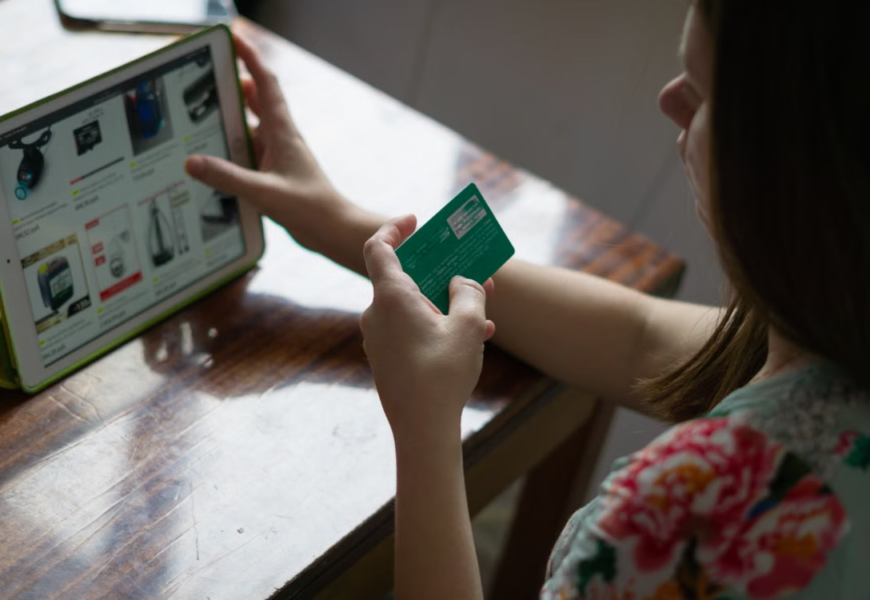
The phrase “online consumer behavior” describes the process of online shopping from a consumer’s perspective. It is often described as the study of trends, including the influence of online advertising, consumer willingness to click on links, the prevalence of comparison shopping, among others. The decision-making process of an online consumer is often very different from that of a consumer in a physical store. Companies are increasingly studying online consumer behavior in order to adapt their sales and marketing strategies to appeal to the Internet purchaser.
Online sales have increased all over the world, with more and more shoppers looking to the Internet before they head out to malls or other stores. In order to remain competitive, many companies are electing to devote at least some of their marketing capital to the online space. Companies decide many of the finer points of online sales, including advertising strategies, page layout, and ease of website searching by analyzing online consumer behavior.
The field of online consumer behavior can be broad. Most of the time, theories in this field are posited by economists or market analysts who specialize in consumer analysis. Companies hire some consumer analysts on a contract basis to provide tailored advice. Others work for independent market analyst firms, for think tanks, or in academia.
In many respects, the study of online consumer behavior is the study of the intersection between online consumers and online businesses. Analysts look at how consumers respond to various aspects of an online business, and compare the factors that led to a consumer either making a purchase or leaving the website. The consumer psychology of making purchases online is usually a major part of an analyst’s considerations, and analysts often conduct market segmentation studies based on gender, age, and relative sophistication.
Online Customer Behavior Process
According to the above figure, in the search stage, they might look for product reviews or customer comments. They will find out which brand or company offers them the best fit to their expectation.
During this stage, a well-organized website structure and attractive design are important things to persuade consumers to be interested in buying a product or service.
Stage 1
The most useful characteristic of the internet is that it supports the pre-purchase stage as it helps customers compare different options.
Stage 2
During the purchasing stage, product assortment, sale services and information quality seem to be the most important point to help consumers decide what product they should select, or what seller they should buy from.
Stage 3
Post-purchase behavior will become more important after their online purchase. Consumers sometimes have a difficulty or concern about the product, or they might want to change or return the product that they have bought. Thus, return and exchange services become more important at this stage.
Factors of Online Customer Behavior
The first elements to identify are factors that motivate customers to buy products or services online. They are divided into two categories − external factors and internal factors.
The External Factors are the ones beyond the control of the customers. They can divide into five sectors, namely demographic, socio-economic, technology and public policy, culture, sub-culture, reference groups, and marketing.
Internal Factors are the personal traits or behaviors which include attitudes, learning, perception, motivation, self image.
The Functional Motives is related to the consumer needs and include things like time, convenience of shopping online, price, the environment of shopping place, selection of products etc.
The Non-Functional Motives related to the culture or social values, like the brand of the store or product.